

Ten Steps to Lessen Stress for Consumers Moving
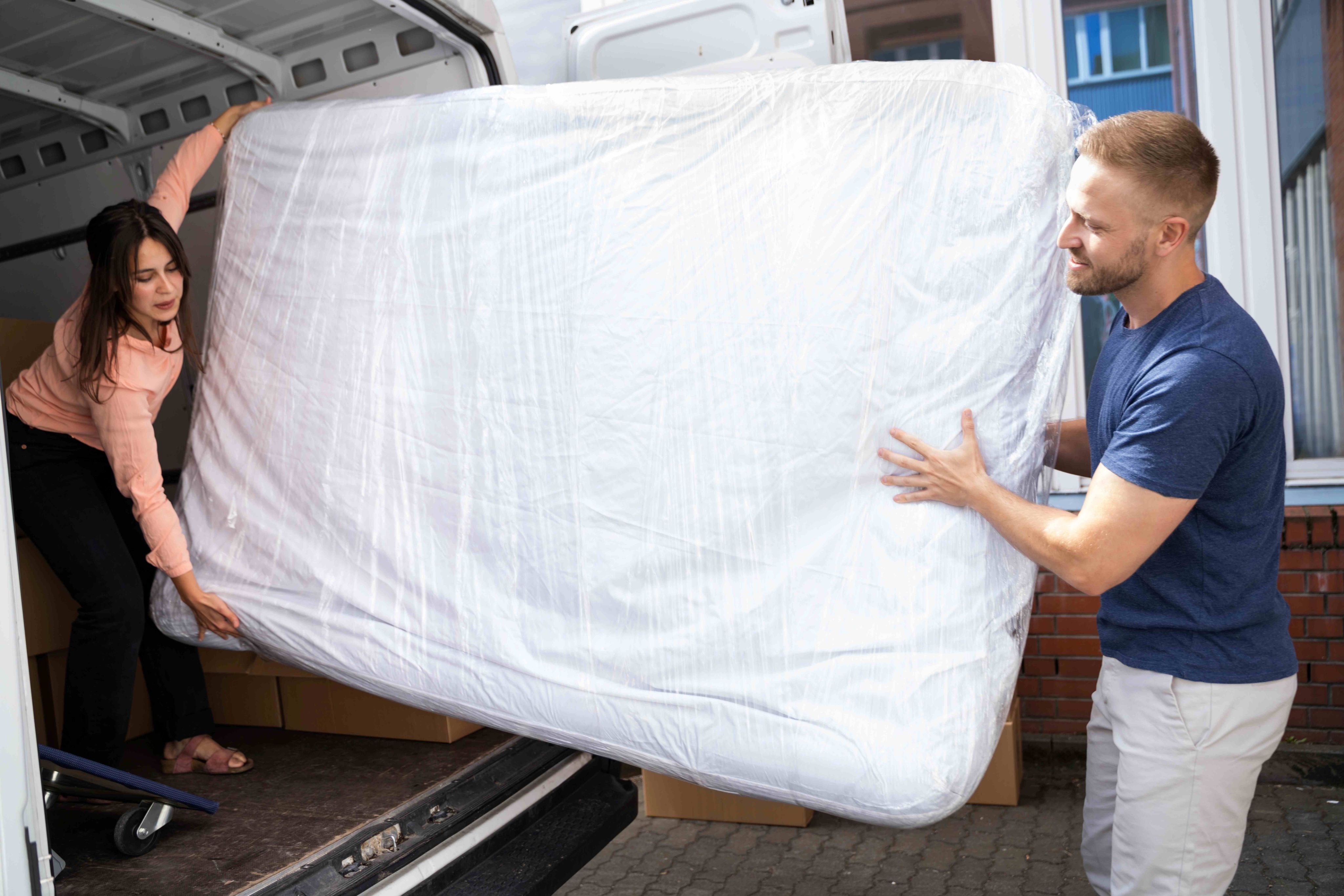
Protect your mattresses and foundations. The best way is to fully encase them in plastic mattress protectors.
1. Map it out. Plan a new home layout on paper so everything fits and everyone knows where it will go. Get all the measurements of the new home, including placement of doors, windows, staircases and electrical outlets. If furniture won’t all fit, label what goes and what stays. Give the future floor plan to the movers so they can see what goes where on moving day.
2. Label, label, label. Label every box with all contents and identify the room the box belongs in. Color coding can help immensely after moving day: red-marked boxes in dining room, green in living room, etc.
3. Find a reliable moving company. Moving heavy furniture is exhausting, and accidents can occur that harm people and belongings. Reputable, professional movers can save a ton of aggravation, but if that isn’t in the budget, enlist plenty of strong, capable helpers and make sure they know the full scope of the job ahead of time.
4. Protect mattresses and foundations. The best way to protect them is to fully encase them in plastic mattress protectors. Truck rental companies sometimes provide these, but consumers can easily find them on Amazon or at local moving truck rental stores in a variety of sizes. Ideally, transport a mattress flat and don’t place heavy boxes or furniture on top. If a mattress is moved on its side, surround it with large pieces of cardboard to help stabilize the mattress and prevent it from folding or wobbling. Any mattresses that are more than eight-to-ten years old should probably be replaced rather than moved. The Better Sleep Council has tips on disposing of old mattresses. Another reason to replace a mattress? If it’s more than fifteen years old, it probably wasn’t made with CertiPUR-US® certified foam. Start fresh in your new home with mattresses that contain certified foam that is made without chemicals of concern and has been analyzed and tested by independent laboratories for content and low Volatile Organic Compound emissions (less than 0.5 ppm) for indoor air quality.
5. Safeguard furniture. Take photographs of expensive or precious items to have a record if a moving company breaks something. If this is a DIY move, stock up on furniture blankets or used blankets and tape them securely around furniture. Add a layerof stretch wrap around the whole “package” for further protection and to give movers something to grip onto.
6. De-assemble furniture before the big day. Cabinets, bed frames and many other pieces require de-assembling before moving. Be sure to do this ahead of time — and record a video of the process so there's a quick guide to use for reassembling. Keep all nuts, bolts and screws together in a resealable bag and attach it to the larger pieces with stretch wrap.
7. Stock up on sliders. Hardware stores carry plastic-and-felt sliders that stick to the bottom of chair, sofa and table legs. They can prevent damage to flooring on both ends of the move.
8. Have proper moving tools. Professional movers usually bring specialized moving equipment, but if movers aren’t pros, consumers will need to properly equip them. Hand trucks or “dollies” come in various sizes, depending on the weight load they must carry (appliances and sofas call for heavy-duty). Straps and shoulder dollies enable people to lift and haul heavy objects without straining necks and backs.
9. Check the weather. If there is a chance of a storm on moving day, have tarps and towels on hand to protect furniture. Keep furniture and mattresses as dry as possible by going through the garage or another path that minimizes exposure before going into the truck.
10. Clear the path. Clear a route for the movers and anticipate what could present a challenge. If some items seem too big for the doorway, removing the doorstop or even the door itself can create the needed space. Many sliding doors have a special release to temporarily remove one door to create a larger opening.
One of the best moving-day survival tips is to pack a small overnight bag with essentials and have pillows, sheets and blankets handy for the first night in a new home. Set up and make beds as soon as they are unloaded.
Ami Neiberger
CertiPUR-US Program
email us here
Visit us on social media:
LinkedIn
Bluesky
Instagram
Facebook
YouTube
TikTok
Other
Legal Disclaimer:
EIN Presswire provides this news content "as is" without warranty of any kind. We do not accept any responsibility or liability for the accuracy, content, images, videos, licenses, completeness, legality, or reliability of the information contained in this article. If you have any complaints or copyright issues related to this article, kindly contact the author above.
